
The UK's 10 year cancer plan- and our part
Every ten years, the United Kingdom pauses and sets out its ambitions. For energy. For business. For the NHS- to change the lives of patients across the world.
And once those ambitions are written down, the country does what it always tries to do next - it gets on with making them happen. Having a plans give us a shared direction, some new hope and something concrete to aim for.
The latest version was released on World Cancer day on the 4th of February, and we're delighted to see that cancer vaccines, and our AI Scientist and Supercomputing project is one of the key headlines of the plan.
It's under the banner of "Delivering research excellence", and action point 4.
A commitment to take "advantage of the huge opportunities of AI to design new treatments"
A direction references to us as give leading "cancer vaccine researchers access to one of the country's most powerful supercomputers"
And then, a plan to use "our sovereign AI capacity on the NHS's uniquely rich cancer data" .... "to develop a new generation of more personalised cancer treatments".
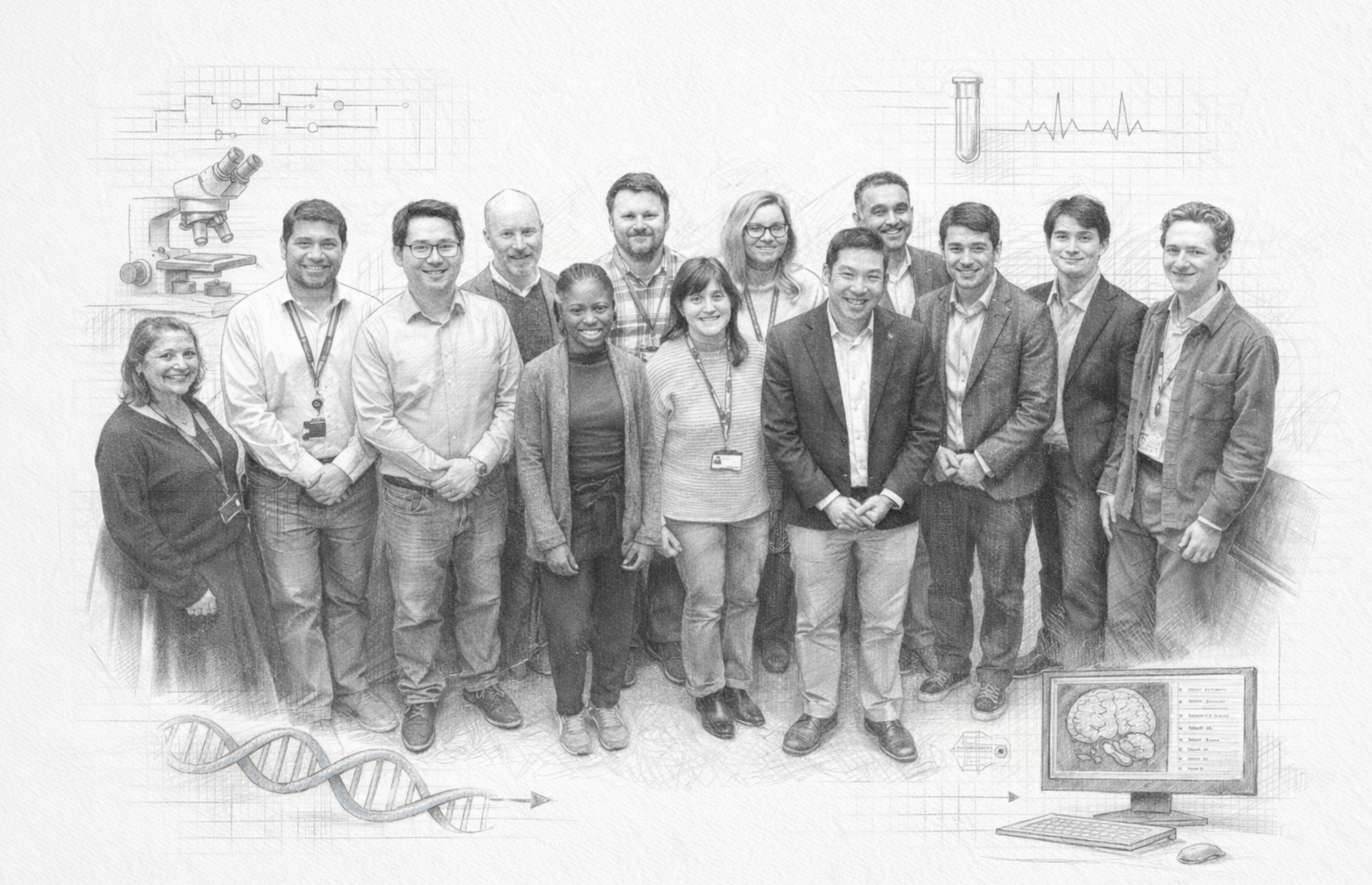
We were really impressed by the plan. It was wonderful that the work of our team, and the input by Dr Lennard Lee and the whole team have shaped such a positive direction for new cancer plan.

What matters most is what comes next. The plan recognises that AI-enabled discovery, sovereign supercomputing, and deep clinical data together can radically shorten the journey from scientific insight to patient benefit. By bringing AI into the heart of scientific reasoning, continuously learning from experimental evidence, and closing the loop between prediction and validation, the UK is choosing a path that moves faster, learns quicker, and delivers treatments that are safer, more precise, and more effective for people with cancer.
This is precisely the promise of the UK Cancer Vaccine AI Scientist and Supercomputing Project. A self-improving discovery system, built on one of the country’s most powerful supercomputers, integrating tumour genomics, immune biology, and automated experimentation, all designed to overcome the bottlenecks that have slowed cancer vaccine development for decades. It reflects a belief that science should learn from every experiment, improve with every cycle, and translate ambition into real-world impact at pace.
Ultimately, this direction is about people. It is about using the UK’s sovereign AI capability and the uniquely rich cancer data within the NHS to develop a new generation of personalised treatments, delivered faster and designed better. Seeing this ambition written into the national cancer plan is energising. It provides clarity, momentum, and confidence that the UK intends to lead and to turn bold ambition into better outcomes for people living with cancer.


Comments