
A new award- What do you do with 52 years of supercomputing time?
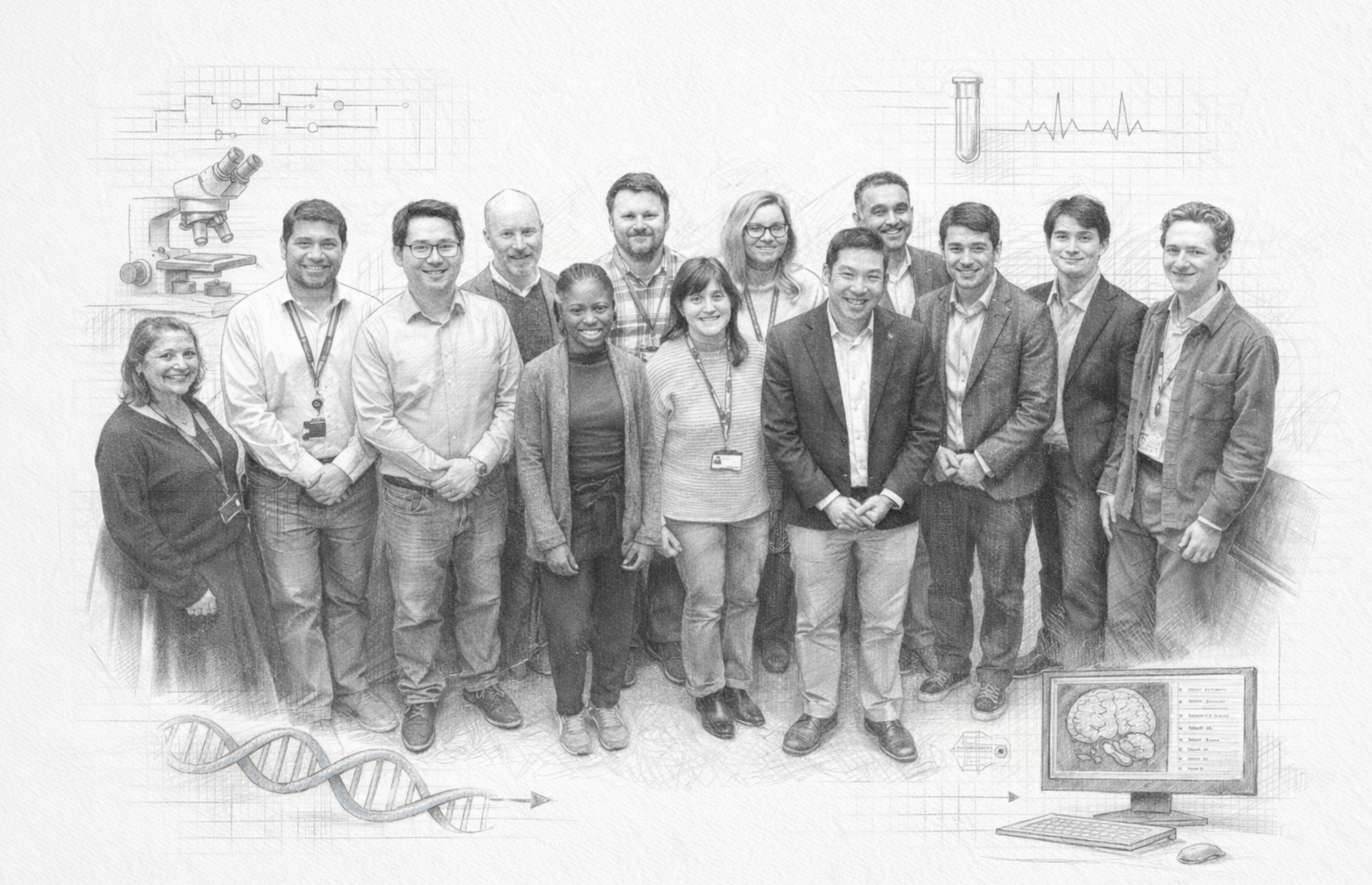

This week, we heard some incredible news. We'd been successful in being awarded 52 years worth (450,000 GPU hours) of supercomputing time on the sovereign AI Supercomputer.
That's quite a lot.
What's the background? Well if you think back to 2025, there was a time when many believed that scientists in the UK would not be able to compete globally. We did not have the infrastructure, expertise or capabilities to create our own AI or GPT models. OpenAI/Anthropic/Gemini was steaming ahead, and more often then not, graduates from Oxford and Cambridge would leave for very high paid jobs in San Francisco or other tech towns of American.
It's great that our most talented students and brightest minds are headhunted to work overseas. However, it sometimes means that the benefits of AI are not necessary aligned to the good of the nation- or the aspirations to use AI for science or AI to help people with cancer.
One of the greatest things that had come out from our country was an AI Opportunities Action plan, published in January 2025, by civil servants at DSIT- link.
It's worth a read. The Rt Hon Peter Kyle MP, makes severeal pledges to take decisive action to support the AI sector and take down the barriers to growth.
Firstly, he said, he will make transformative planning reforms will make it easier to build the data centres that are the engines of the AI age. Skills England will help ensure that British people are prepared for jobs in the AI-powered industries of tomorrow.
Secondly plan pledged so that "AI directly benefits working people by improving health care"
And finally there was a pledge to "Expand the capacity of the AI Research Resource (AIRR) by at least 20x by 2030 - starting within 6 months. The AIRR should evolve into a set of mission-oriented clusters that bring together compute, data, and talent to pursue frontier AI research and other national priorities"
In August last year, we started training a large AI model, consisting of 100 million datapoints, the CancerVaccineGPT, to aim to make safer, more precise and more effective cancer vaccines. This was trained on 33 tumour types. We used 1000s of hour of supercomputing time.
And starting from this month, with this award, we can take the next step.... To make this model even better. To ingest more data. To train our model to make ever improving predictions. To tie the original into our recently launched AI Scientist initiative, with our AI Scientist called Ciara. To bring more scientists online.
The additional hours are now going to let us do more- deeper, wider, and faster than we could achieve before. And just in case you're wondering..... 52 years is a single GPU, so to make maximum progress, we can now run 100 GPUs simultaneously- training our cancer AI models.
Outreach is now happening across Oxford to bring forth the greatest minds to focus in on this opportunity. If you're a computer scientist who wants to do applied research and make advances in cancer- do reach out.
We're very grateful for all our supporters to helping us secure time on this strategic infrastructure. We'll be trying our very best to move the technology and scientific opportunity forwards. We're very grateful for Richard at UKRI and Priya at DSIT for supporting our mission- to transform the lives of patients facing a cancer diagnosis- starting with advances on our sovereign AI Supercomputer.


Comments